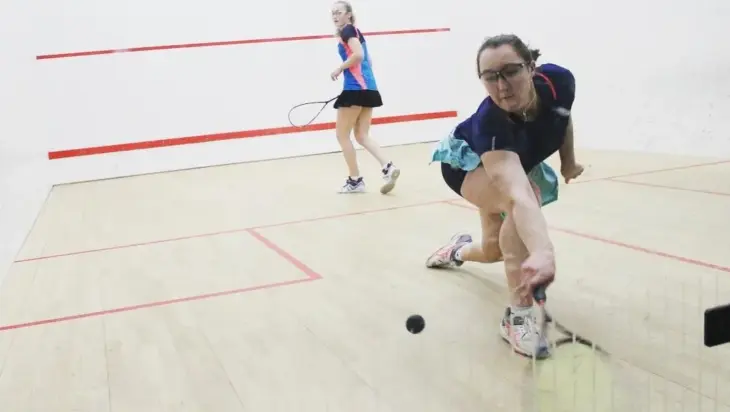
As squash continues to grow in popularity across schools, universities, fitness centers, country clubs, and residential properties, the demand for professional-quality courts has never been greater. Whether you’re developing a new sports complex or upgrading an aging facility, the quality of your squash court directly affects player safety, game performance, maintenance costs, and long-term return on investment.
Why Court Quality Matters More Than Ever
Modern squash players expect consistent playing conditions. Uneven flooring, poor wall alignment, inadequate lighting, or moisture damage can negatively affect gameplay while increasing the risk of injuries.
A professionally designed squash court provides:
- Consistent ball rebound
- Superior player traction
- Proper shock absorption
- Accurate court dimensions
- Improved lighting visibility
- Better indoor air quality
- Long-lasting structural integrity
These features not only improve the player experience but also reduce long-term operating costs by minimizing repairs and extending the life of the facility.
The Long-Term Value of Professional Construction
Constructing a squash court involves much more than installing walls and flooring. Every detail—from subfloor preparation to wall systems and ventilation—contributes to the court’s durability and performance.
Working with experienced specialists ensures that every component is designed to meet professional standards. Proper planning also allows owners to accommodate future upgrades, improve energy efficiency, and maximize the lifespan of the investment.
If you’re planning a new facility, investing in professional Squash Court Construction helps ensure your court meets regulation dimensions, delivers excellent playability, and withstands years of heavy use.
High-Performance Flooring Makes a Difference
The flooring system is one of the most important components of any squash court. Players rely on consistent grip and shock absorption during rapid directional changes, lunges, and fast-paced rallies.
High-quality hardwood sports flooring helps reduce fatigue while improving player confidence and comfort throughout every match.
Professional squash flooring offers numerous advantages:
- Excellent traction
- Shock absorption that reduces stress on joints
- Uniform playing surface
- Resistance to warping and moisture
- Long service life with proper maintenance
Choosing premium Squash Court Flooring can significantly improve player safety while lowering future replacement costs.
Common Problems Caused by Poor Construction
Lower-quality courts often develop issues much sooner than professionally built facilities. These problems may include structural movement, flooring separation, moisture intrusion, uneven surfaces, and deteriorating finishes.
Common warning signs include:
- Loose or squeaking floorboards
- Visible cracks in walls
- Slippery playing surfaces
- Dead ball rebound areas
- Uneven floor movement
- Water damage or humidity issues
- Worn surface coatings
Ignoring these issues can lead to more expensive repairs and potential safety concerns for players.
Preventive Maintenance Saves Money
Routine inspections and maintenance are essential for preserving the quality of a squash court. Addressing small issues before they become major structural problems helps minimize downtime and extend the useful life of the facility.
Preventive maintenance typically includes:
- Cleaning and refinishing hardwood floors
- Inspecting expansion joints
- Checking wall alignment
- Repairing surface cracks
- Monitoring humidity levels
- Evaluating lighting systems
- Replacing damaged components before failure occurs
Scheduling professional Squash Court Repair services as part of a regular maintenance program helps avoid costly emergency repairs while maintaining optimal playing conditions.
Enhancing the Player Experience
A well-maintained squash court offers more than durability—it creates an environment where athletes can perform at their best. Comfortable temperatures, proper lighting, smooth flooring, and consistent wall surfaces all contribute to a better overall playing experience.
Facilities that invest in quality infrastructure often enjoy higher member satisfaction, increased court bookings, and stronger community engagement. Schools and sports clubs also benefit from attracting tournaments, training camps, and competitive events that generate additional revenue and visibility.
Sustainability and Modern Court Design
Today’s squash court projects increasingly incorporate sustainable building practices. Energy-efficient LED lighting, responsibly sourced hardwood flooring, improved insulation, and low-emission finishes help reduce environmental impact while lowering operating costs.
Modern facilities are also integrating digital booking systems, occupancy monitoring, and smart climate controls to improve operational efficiency and provide a better experience for players.
Choosing the Right Partner
Whether you’re building a brand-new court or renovating an existing facility, partnering with experienced squash court specialists is essential. Professional contractors understand the technical requirements of squash facilities and can recommend the right materials, construction methods, and maintenance strategies based on your goals and budget.
Investing in quality from the beginning helps protect your investment while ensuring years of safe, enjoyable play for athletes of all skill levels.
Final Thoughts
A squash court is a long-term investment that deserves careful planning, quality craftsmanship, and regular maintenance. While cutting corners during construction may reduce upfront costs, it often leads to higher expenses over time through repairs, downtime, and premature replacement.
By focusing on professional construction, premium flooring, and proactive maintenance, facility owners can create courts that deliver outstanding performance, support player safety, and provide lasting value for decades to come.